Roadmap to Overcome Procrastination
Procrastination is one of the biggest obstacles to productivity and success.
Many people delay important tasks even when they know those tasks are important. This habit can lead to stress, missed opportunities, and unfulfilled goals.
The good news is that procrastination is not permanent. With the right strategies and habits, you can train yourself to take action consistently.
This roadmap will guide you step by step to help you break the cycle of procrastination and become more productive.
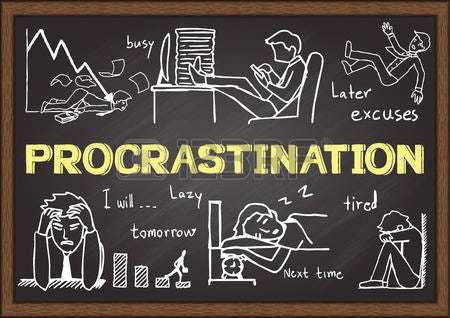
Phase 1 — Understand Why You Procrastinate
Before solving procrastination, you must understand why it happens.
Common reasons include:
-
Fear of failure
-
Lack of motivation
-
Feeling overwhelmed
-
Perfectionism
-
Poor time management
Understanding the cause helps you find the right solution.
Step 1: Identify Your Procrastination Triggers
Ask yourself questions such as:
-
Which tasks do I delay the most?
-
Why do I avoid these tasks?
-
Do I feel overwhelmed or afraid to start?
Write down your triggers so you can address them directly.
Step 2: Break Large Tasks into Smaller Steps
Large tasks often feel intimidating.
Instead of thinking about the entire task, divide it into smaller steps.
For example:
Instead of writing “Complete the entire project”, break it into:
-
Research the topic
-
Create an outline
-
Write the first draft
-
Edit and improve
Small tasks are easier to start.
Phase 2 — Build Action-Oriented Habits
Procrastination disappears when action becomes a habit.
Step 3: Use the 5-Minute Rule
Tell yourself:
“I will work on this task for just 5 minutes.”
Once you start, you will often continue longer.
Starting is usually the hardest part.
Step 4: Apply the Pomodoro Technique
This technique improves focus and productivity.
How it works:
-
Work for 25 minutes
-
Take a 5-minute break
-
Repeat the cycle
Short focused work sessions reduce mental resistance.
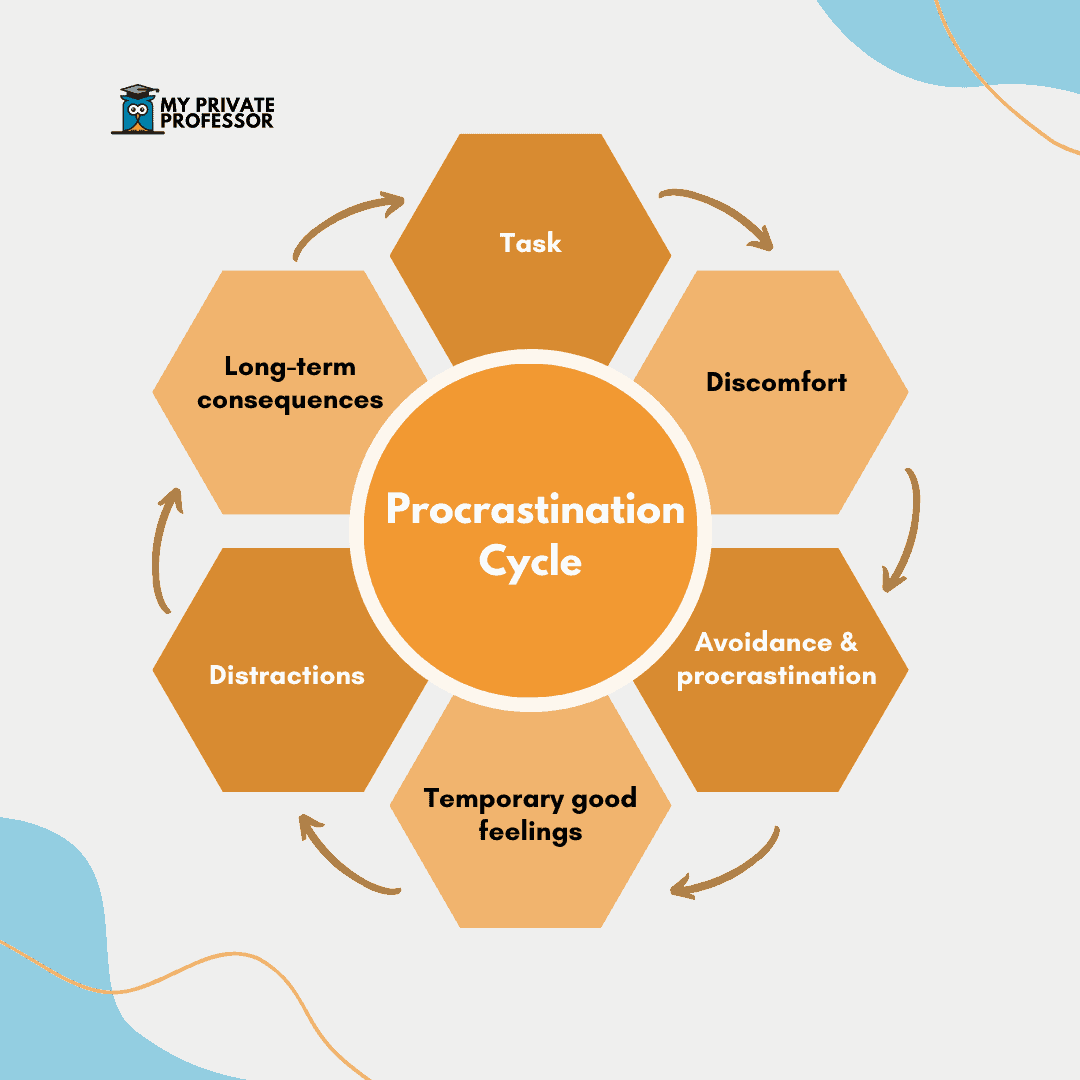
Phase 3 — Improve Time Management
Good time management reduces procrastination.
Step 5: Plan Your Day in Advance
Create a simple daily plan.
Write down:
-
Your top 3 priorities
-
Important tasks
-
Deadlines
Planning your day removes confusion about what to do next.
Step 6: Eliminate Distractions
Distractions make procrastination worse.
Common distractions include:
-
Social media
-
Notifications
-
Unnecessary browsing
-
Interruptions
Reduce these distractions when working on important tasks.
Phase 4 — Change Your Mindset
Procrastination often comes from negative thinking patterns.
Step 7: Stop Waiting for Motivation
Many people believe they need motivation to start working.
In reality:
Action creates motivation, not the other way around.
Start working first, and motivation will follow.
Step 8: Accept Imperfection
Perfectionism often leads to procrastination.
Instead of trying to make everything perfect, focus on progress.
Remember:
Done is better than perfect.
Phase 5 — Build Long-Term Discipline
Overcoming procrastination requires consistent effort.
Step 9: Reward Yourself for Progress
Small rewards help reinforce positive behavior.
For example:
-
Take a break after completing a task
-
Watch a short video
-
Enjoy your favorite snack
Rewards make productivity more enjoyable.
Step 10: Track Your Progress
Tracking your progress helps you stay accountable.
You can use:
-
A daily checklist
-
A productivity journal
-
Habit tracking apps
Seeing progress motivates you to continue.
Books That Help Overcome Procrastination
Reading books on productivity and discipline can help you change your habits.
Recommended books include:
-
“Atomic Habits” by James Clear
-
“Eat That Frog!” by Brian Tracy
-
“Deep Work” by Cal Newport
-
“The 5 Second Rule” by Mel Robbins
These books provide powerful strategies for building discipline and productivity.
Common Mistakes That Increase Procrastination
Avoid these habits:
-
Waiting for the perfect moment
-
Setting unrealistic goals
-
Multitasking too much
-
Overloading your schedule
-
Spending excessive time on social media
Removing these habits can significantly improve productivity.
Quick Summary: Roadmap to Overcome Procrastination
-
Identify why you procrastinate
-
Break large tasks into smaller steps
-
Use the 5-minute rule to start tasks
-
Apply the Pomodoro technique
-
Plan your day in advance
-
Eliminate distractions
-
Stop waiting for motivation
-
Accept imperfection
-
Reward your progress
-
Track your productivity
Final Thoughts
Procrastination is a habit that can be changed.
By understanding your triggers, improving your habits, and taking consistent action, you can gradually eliminate procrastination from your life.
The most important step is simple:
Start today.
Even small progress can lead to major results over time.
Comments
Post a Comment