Introduction: Why Personal Development Matters
Have you ever felt stuck in life, knowing you're capable of more but unsure how to unlock your potential?
You're not alone.
Millions of people wake up every day with dreams and ambitions, yet struggle to make meaningful progress. They want to be more confident, disciplined, and successful—but they lack a clear roadmap to get there.
Here's the truth: Personal development isn't about luck or talent. It's about following a proven system.
Personal development is the intentional process of improving your mindset, habits, skills, and behaviors to become the best version of yourself. It's about taking control of your life instead of letting circumstances control you.
The good news? Transformation is possible for anyone willing to commit to the journey.
This comprehensive guide will walk you through a step-by-step roadmap covering the most critical areas of personal growth:
- Self-confidence – Believe in yourself and your abilities
- Self-discipline – Stay committed even when motivation fades
- Overcoming procrastination – Stop delaying and start doing
- Time management – Make the most of every day
- Focus and productivity – Achieve more with less effort
- Success mindset – Think and act like successful people
By the end of this guide, you'll have a clear action plan to transform your life, one step at a time.
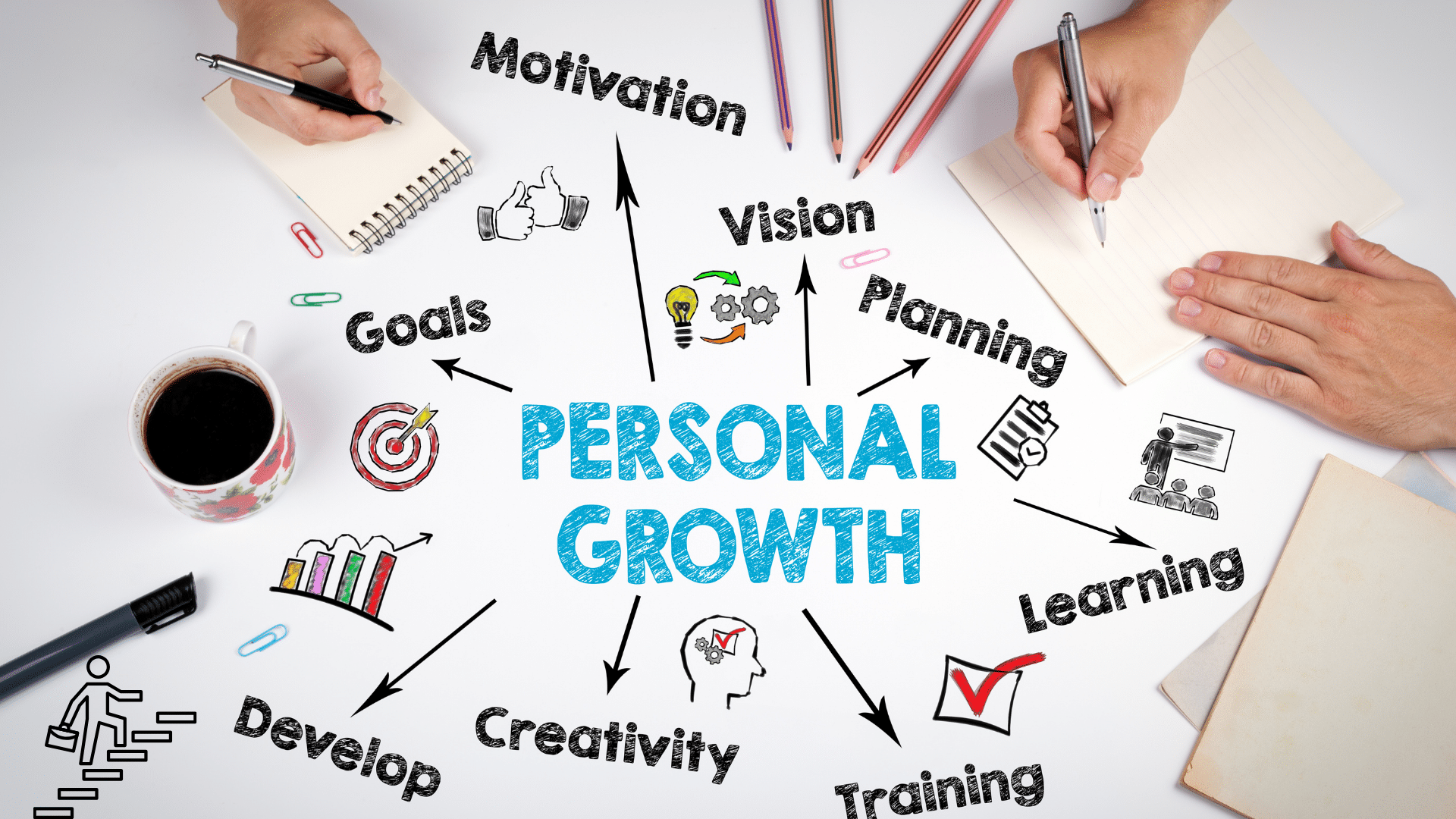
Phase 1: Build a Strong Mindset Foundation
Why Mindset Comes First
Before you can change your life, you must change your mind.
Your mindset is the lens through which you view the world. It determines:
- How you respond to challenges
- Whether you see opportunities or obstacles
- How you handle failure and setbacks
- Your willingness to take risks and grow
Without the right mindset, even the best strategies will fail.
A person with a fixed mindset believes their abilities are unchangeable. They avoid challenges, give up easily, and view failure as evidence of their limitations.
A person with a growth mindset believes they can improve through effort and learning. They embrace challenges, persist through difficulties, and see failure as a stepping stone to success.
The first phase of personal development focuses on building this strong mental foundation.
Step 1: Build Unshakeable Self-Confidence
What Is Self-Confidence?
Self-confidence is the deep belief in your ability to handle challenges, overcome obstacles, and achieve your goals.
It's not about being perfect or never feeling afraid. It's about trusting yourself to figure things out, even when the path isn't clear.
Confident people:
- Take calculated risks
- Speak up for themselves
- Try new things without fear of judgment
- Bounce back quickly from setbacks
- Pursue opportunities others miss
Lack of confidence, on the other hand, keeps you playing small.
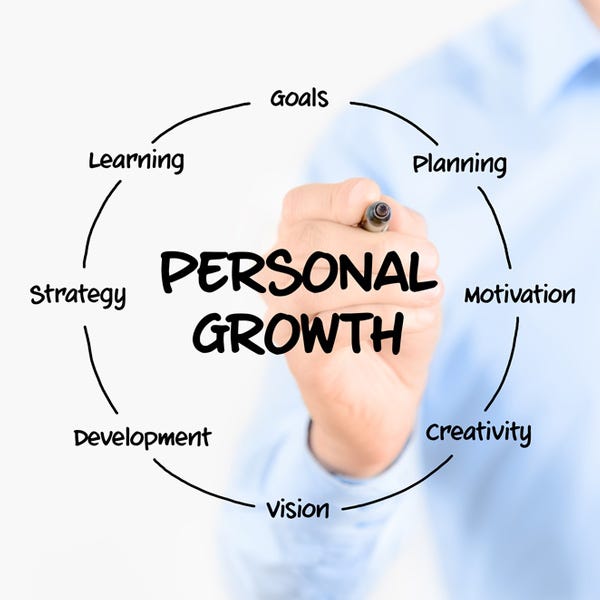
You might second-guess your decisions, avoid challenges that could help you grow, or stay in your comfort zone indefinitely.
Why Low Confidence Holds You Back
Low self-confidence creates a vicious cycle:
- You doubt your abilities
- You avoid challenging situations
- You never prove to yourself what you're capable of
- Your doubt deepens
Breaking this cycle requires intentional action.
How to Build Self-Confidence
1. Recognize Your Strengths
Most people focus obsessively on their weaknesses while ignoring their strengths.
Make a list of:
- Skills you've developed
- Challenges you've overcome
- Compliments you've received
- Things you're naturally good at
Review this list regularly. Your brain needs evidence that you're capable.
2. Improve Your Self-Talk
The way you talk to yourself matters tremendously.
Replace negative self-talk:
- "I'm not good enough" → "I'm learning and improving"
- "I always fail" → "I've succeeded before and I will again"
- "I can't do this" → "I can't do this yet"
Your internal dialogue shapes your reality. Choose words that empower you.
3. Take Small Challenges Regularly
Confidence grows through accumulated wins.
You don't need to climb Mount Everest tomorrow. Start with small challenges:
- Speak up in a meeting
- Start a conversation with a stranger
- Try a new workout class
- Take on a small project outside your comfort zone
Each small victory builds momentum and proves to yourself that you're capable of growth.
4. Learn New Skills Continuously
Every new skill you acquire expands your sense of what's possible.
When you learn to code, speak a new language, or master a musical instrument, you prove to yourself that you can learn anything with enough effort.
This creates a powerful belief: "If I can learn this, I can learn anything."
5. Celebrate Your Progress
Most people only celebrate major milestones, ignoring the small wins along the way.
Big mistake.
Every step forward deserves recognition. Keep a progress journal and note:
- Challenges you faced today
- How you handled them
- What you learned
- How you've improved
This practice rewires your brain to see yourself as someone who overcomes obstacles.
The Confidence-Action Loop
Here's a secret about confidence: Action creates confidence, not the other way around.
Most people wait to feel confident before taking action. They think, "I'll start that business when I feel ready" or "I'll ask for that promotion when I'm more confident."
But confidence doesn't work that way.
You build confidence BY taking action, not before. Each action you take—even if imperfect—builds your self-belief.
So start before you're ready. Take action despite the fear. Confidence will follow.
→ For a complete, step-by-step guide to building self-confidence, read our Roadmap to Build Self-Confidence
Step 2: Define Your Personal Vision of Success
Success Is Personal
Here's a critical truth most people miss: Success looks different for everyone.
Society tries to impose a one-size-fits-all definition of success:
- A high-paying corporate job
- A big house and expensive car
- A prestigious title
But true success is deeply personal. It's about creating a life that aligns with YOUR values, not someone else's expectations.
For some people, success means:
- Financial freedom and early retirement
- Making a meaningful impact on the world
- Building a thriving business
- Having time for family and hobbies
- Traveling the world
- Mastering a craft or skill
None of these is inherently better than the others. What matters is defining what success means to YOU.
Why Vision Matters
Without a clear vision, you're like a ship without a destination—drifting wherever the current takes you.
A compelling vision:
- Gives you direction and purpose
- Helps you make better decisions
- Keeps you motivated during difficult times
- Allows you to measure meaningful progress
Many people spend their entire lives climbing the ladder of success, only to realize it was leaning against the wrong wall.
Don't make that mistake.
How to Define Your Vision
1. Ask Powerful Questions
Set aside quiet time to reflect on these questions:
- What does my ideal day look like?
- What would I do if money were no object?
- What kind of impact do I want to have on the world?
- What would I regret NOT doing before I die?
- What makes me lose track of time?
- What did I love doing as a child?
Write down your answers. Don't censor yourself. This is your life—be honest about what you truly want.
2. Identify Your Core Values
Your values are the principles that guide your decisions and behavior.
Common values include:
- Freedom and independence
- Family and relationships
- Creativity and self-expression
- Adventure and excitement
- Security and stability
- Growth and learning
- Contribution and service
Rank your top 5 values. These should guide every major decision you make.
3. Set Long-Term Goals
Based on your vision and values, set specific long-term goals in key life areas:
- Career: What do you want to achieve professionally?
- Financial: What level of financial security do you want?
- Health: What does optimal health look like for you?
- Relationships: What kind of relationships do you want to build?
- Personal growth: What skills do you want to develop?
- Contribution: How do you want to help others?
Be specific. Instead of "be successful," write "build a business generating $100K annually" or "become a recognized expert in my field."
4. Create a Vision Board
Visual representation makes your goals feel more real and tangible.
Create a vision board (physical or digital) with:
- Images representing your goals
- Inspiring quotes
- Photos of your desired lifestyle
- Milestones you want to achieve
Place it somewhere you'll see daily. This keeps your vision at the forefront of your mind.
5. Write Your Personal Mission Statement
Distill your vision into a clear, concise statement.
For example:
- "I help entrepreneurs build successful online businesses that give them freedom and impact."
- "I create art that inspires people to see beauty in everyday life."
- "I build financial independence while maintaining work-life balance and strong family relationships."
Your mission statement becomes your North Star—guiding you when you face difficult decisions or feel lost.
Aligning Daily Actions with Your Vision
Having a vision isn't enough. You must align your daily actions with that vision.
Ask yourself regularly:
- "Is what I'm doing today moving me closer to my vision?"
- "Are my current habits supporting or sabotaging my goals?"
- "Am I spending time on what truly matters?"
If the answer is no, it's time to make changes.
→ Learn more about defining and achieving success in our Roadmap to Become a Successful Person
Phase 2: Build Powerful Habits That Drive Success
The Power of Habits
Your life today is essentially the sum of your habits.
- Your health is determined by your eating and exercise habits
- Your finances reflect your spending and saving habits
- Your productivity depends on your work and focus habits
- Your relationships mirror your communication and presence habits
You don't rise to the level of your goals. You fall to the level of your systems.
This is why habit formation is the cornerstone of personal development. When you change your habits, you change your life.
Step 3: Develop Iron-Clad Self-Discipline
What Is Self-Discipline?
Self-discipline is the ability to do what needs to be done, even when you don't feel like doing it.
It's the muscle that helps you:
- Work out when you'd rather sleep in
- Eat healthy when junk food is tempting
- Study when Netflix is calling
- Save money when you want to spend
- Keep commitments when motivation fades
Discipline is the bridge between goals and accomplishment.
Motivation vs. Discipline
Here's the problem with relying on motivation:
Motivation is emotional and temporary. It comes and goes based on your mood, energy, and circumstances.
You might feel incredibly motivated on Sunday night, making grand plans for the week ahead. But by Tuesday morning, that motivation has evaporated, and you're back to your old patterns.
Discipline, however, is a skill you can develop. It's not about feeling motivated—it's about doing what's necessary regardless of how you feel.
Successful people aren't more motivated. They're more disciplined.
The Science of Self-Discipline
Research shows that self-discipline is like a muscle:
- It gets stronger with use
- It can become fatigued when overused
- It needs rest and recovery
- It can be trained systematically
This is good news! It means anyone can develop stronger discipline through consistent practice.
How to Build Self-Discipline
1. Start Small
The biggest mistake people make is trying to overhaul their entire life overnight.
They commit to:
- Waking up at 5 AM
- Working out 2 hours daily
- Eating perfectly clean
- Reading for an hour
- Meditating for 30 minutes
- Learning a new skill
All at once.
This approach fails 99% of the time because it depletes your willpower reserves immediately.
Instead, start with ONE small habit:
- 5 push-ups after waking up
- Reading for 5 minutes before bed
- Drinking one glass of water in the morning
- Writing 100 words daily
Once this becomes automatic (usually 2-4 weeks), add another small habit.
2. Create a Consistent Routine
Discipline thrives on structure.
When you have a consistent routine, you remove decision fatigue. You don't waste mental energy deciding what to do next—you simply follow your established system.
Build routines around:
- Morning (how you start your day)
- Work (how you structure productive time)
- Evening (how you wind down)
- Weekly (planning, review, and preparation)
Document your ideal routine and stick to it for at least 30 days.
3. Remove Temptations
Willpower is limited. Don't waste it fighting temptations you could eliminate.
If you want to eat healthier, don't keep junk food in your house.
If you want to focus better, delete social media apps from your phone.
If you want to wake up early, put your alarm across the room.
Make the right choice the easy choice.
4. Track Your Progress
What gets measured gets managed.
Use a habit tracker (app or simple calendar) to mark each day you complete your target behavior.
This serves two purposes:
- It provides accountability
- It creates a visual chain of success you won't want to break
Seeing a string of consecutive days builds momentum and strengthens your commitment.
5. Practice Delayed Gratification
Our culture encourages instant gratification—immediate pleasure with no delay.
Self-discipline requires the opposite: choosing long-term rewards over short-term pleasure.
Practice this skill:
- Wait 24 hours before making impulse purchases
- Finish your most important task before checking social media
- Complete your workout before relaxing
- Save before spending
Each time you delay gratification, you strengthen your discipline muscle.
6. Develop Your "Why"
Discipline is easier when you have a compelling reason.
When the 5 AM alarm goes off, you need more than "I should work out." You need a powerful why:
- "I'm training for a marathon to prove I can do hard things"
- "I'm building my business to create financial freedom for my family"
- "I'm developing this skill to open new career opportunities"
Write down your why and review it when motivation wanes.
7. Use Implementation Intentions
Research shows that specific plans dramatically increase follow-through.
Instead of "I'll exercise more," use: "I will do a 30-minute workout at the gym at 6 AM on Monday, Wednesday, and Friday."
This format—"I will [BEHAVIOR] at [TIME] in [LOCATION]"—removes ambiguity and increases success rates by up to 300%.
8. Build Accountability
Public commitment increases follow-through.
Share your goals with:
- An accountability partner who checks in regularly
- A public commitment on social media
- A group with similar goals
- A coach or mentor
Knowing someone is watching makes it harder to skip your commitments.
The Discipline Compounding Effect
Here's the beautiful truth about discipline:
The more you practice it, the easier it becomes.
Your first week of waking up early will be brutal. But by week four, it feels natural.
Your first week of healthy eating requires constant willpower. But by week four, you crave nutritious foods.
Initially, discipline feels like constant sacrifice. Eventually, it becomes your default mode.
And that's when transformation accelerates.
→ Discover advanced discipline-building strategies in our Roadmap to Build Self-Discipline
Step 4: Overcome Procrastination Once and For All
Understanding Procrastination
Procrastination is the act of delaying important tasks despite knowing it will have negative consequences.
It's not laziness. It's not poor time management.
Procrastination is an emotional regulation problem.
You procrastinate because:
- The task feels overwhelming
- You fear failure (or success)
- You don't know where to start
- The reward feels too distant
- You're avoiding discomfort
Your brain prefers immediate pleasure over delayed rewards, so it directs you toward easier, more pleasurable activities.
Understanding this is the first step to overcoming it.
The True Cost of Procrastination
Procrastination seems harmless in the moment—"I'll do it later" feels like a reasonable compromise.
But the costs accumulate:
Financial costs:
- Missed deadlines lead to lost opportunities
- Rushed work produces inferior results
- Emergency situations cost more to fix
Emotional costs:
- Constant guilt and anxiety
- Stress from looming deadlines
- Shame from repeated failures
- Damaged self-esteem
Opportunity costs:
- Time wasted that could have been invested in growth
- Projects never started
- Skills never developed
- Dreams deferred indefinitely
The most successful people aren't necessarily more talented—they're just better at starting and finishing important tasks.
How to Overcome Procrastination
1. Break Tasks into Tiny Steps
Large tasks trigger overwhelm, which triggers procrastination.
Instead of "Write book," break it down:
- Outline chapter 1
- Write 500 words of introduction
- Edit first section
- Write next 500 words
Each small step feels manageable, reducing resistance.
2. Use the Two-Minute Rule
Commit to working on the task for just two minutes.
This bypasses your brain's resistance. You think, "Anyone can do two minutes."
Once you start, you'll often continue beyond two minutes because starting is the hardest part.
3. Apply the Pomodoro Technique
Work in focused 25-minute intervals followed by 5-minute breaks.
This approach works because:
- 25 minutes feels achievable
- Knowing a break is coming reduces resistance
- It creates a sense of urgency
- You build momentum through multiple sessions
4. Focus on Starting, Not Finishing
Perfectionists procrastinate because they obsess about the end result.
Shift your focus: Just start.
Give yourself permission to:
- Write a terrible first draft
- Create an imperfect prototype
- Make mistakes and learn
You can always improve it later. But you can't improve what doesn't exist.
5. Remove Decision Points
Every decision drains mental energy.
Reduce decisions by:
- Planning your day the night before
- Creating templates for recurring tasks
- Establishing standard operating procedures
- Pre-deciding your next action
When you sit down to work, you should know exactly what to do—no decision required.
6. Create Artificial Deadlines
Without deadlines, tasks expand indefinitely.
Set specific deadlines for every goal:
- "Complete draft by Friday at 5 PM"
- "Finish research by Tuesday morning"
- "Send proposal by end of day Wednesday"
Share these deadlines with someone else for added accountability.
7. Eliminate Escape Routes
Make procrastination harder than working.
- Work in a distraction-free environment
- Use website blockers during focus time
- Turn off notifications
- Put your phone in another room
- Tell others not to disturb you
The easier you make it to procrastinate, the more you'll do it.
8. Address the Underlying Emotion
Ask yourself: "What am I really avoiding?"
- Fear of failure? Remind yourself that failure is how you learn.
- Perfectionism? Embrace "good enough" for version one.
- Overwhelm? Break the task into smaller pieces.
- Lack of clarity? Spend time planning before executing.
Once you identify the real issue, you can address it directly.
9. Use Temptation Bundling
Pair an unpleasant task with something you enjoy.
Examples:
- Listen to your favorite podcast while exercising
- Work at your favorite coffee shop
- Treat yourself after completing a difficult task
- Only watch your favorite show while doing household chores
This creates positive associations with tasks you'd normally avoid.
10. Track Your Procrastination Patterns
Keep a procrastination journal for one week:
- What tasks did you avoid?
- When did you procrastinate?
- What did you do instead?
- What triggered the procrastination?
Patterns will emerge. Maybe you procrastinate most in the afternoon, or on certain types of tasks, or when working from home.
Understanding your patterns allows you to design better systems.
The Anti-Procrastination Mindset
Ultimately, overcoming procrastination requires a mindset shift:
From: "I'll feel like it later" To: "I rarely feel like it, but I do it anyway"
From: "I work best under pressure" To: "I work best when I'm prepared and calm"
From: "It needs to be perfect" To: "Done is better than perfect"
From: "I don't know where to start" To: "I'll start anywhere and adjust as I go"
Action creates clarity. Motion creates motivation. Starting creates momentum.
Stop waiting for the perfect moment. The perfect moment is now.
→ Get the complete system for beating procrastination in our Roadmap to Overcome Procrastination
Phase 3: Master Productivity and Time Management
The Productivity Paradox
Here's what most people get wrong about productivity:
They think being productive means being busy.
They fill their calendar with meetings, tasks, and activities, mistaking busyness for progress.
But true productivity isn't about doing more things. It's about doing the right things.
You can be extremely busy while accomplishing nothing of significance.
Or you can work a few focused hours on high-impact activities and create extraordinary results.
The goal isn't to maximize output. It's to maximize outcomes.
Step 5: Develop Laser-Sharp Focus
The Attention Crisis
We're living in the most distracted era in human history.
The average person:
- Checks their phone 96 times per day
- Switches between tasks every 3 minutes
- Loses 2.1 hours daily to distractions
- Can focus deeply for only 40 seconds at a time
This constant fragmentation destroys productivity and creativity.
Deep work—the ability to focus without distraction on a cognitively demanding task—has become a superpower.
Those who can maintain focus have an enormous advantage over those who can't.
The Cost of Distraction
Every time you're interrupted, your brain needs time to:
- Switch contexts
- Remember what you were doing
- Rebuild your mental model
- Regain momentum
Research shows it takes an average of 23 minutes to fully recover from a distraction.
If you're interrupted 10 times in a workday, you lose nearly 4 hours of productive time—not from the interruption itself, but from the recovery time.
How to Improve Focus
1. Eliminate Digital Distractions
Your phone is designed to be addictive. Every notification triggers a dopamine hit, training your brain to crave constant stimulation.
Take control:
- Turn off all non-essential notifications
- Delete social media apps (use desktop versions with time limits)
- Use "Do Not Disturb" mode during focus sessions
- Keep your phone in another room while working
- Use website blockers during deep work
Your focus will improve dramatically within days.
2. Practice Deep Work
Deep work is focused, uninterrupted work on cognitively demanding tasks.
Schedule regular deep work sessions:
- Block 2-4 hour chunks on your calendar
- Communicate your unavailability to others
- Work in a distraction-free environment
- Focus on ONE task per session
- Take breaks between sessions
Protect this time fiercely. Deep work produces your highest-value output.
3. Use Time Blocking
Instead of a to-do list, use a calendar.
Assign specific time blocks to specific tasks:
- 9:00-11:00: Write report
- 11:00-12:00: Answer emails
- 1:00-3:00: Client meetings
- 3:00-5:00: Strategic planning
This prevents multitasking and ensures important tasks get done.
4. Apply the 90-Minute Focus Rule
Your brain operates in 90-minute ultradian rhythms.
You can maintain peak focus for about 90 minutes before needing a break.
Structure your day accordingly:
- 90 minutes of intense focus
- 15-20 minute break
- Repeat
This aligns with your natural energy cycles, maximizing productivity.
5. Create a Focus-Friendly Environment
Your environment shapes your behavior.
Optimize your workspace:
- Clean, organized desk
- Comfortable chair and proper ergonomics
- Good lighting (natural light when possible)
- Minimal visual distractions
- Temperature control
- Noise management (silence, white noise, or instrumental music)
Small environmental changes create big focus improvements.
6. Train Your Attention Muscle
Focus is like a muscle—it strengthens with practice.
Daily practices to improve focus:
- Meditation: Start with 5 minutes daily, gradually increase
- Reading physical books: Forces sustained attention
- Single-tasking: Do ONE thing at a time, completely
- Mindful activities: Fully engage in whatever you're doing
The more you practice sustained attention, the easier it becomes.
7. Manage Your Energy, Not Just Time
Focus depends on mental energy.
Protect your energy by:
- Getting 7-9 hours of quality sleep
- Eating nutritious meals (avoiding sugar crashes)
- Exercising regularly
- Taking real breaks (not just scrolling your phone)
- Managing stress
- Staying hydrated
You can't focus when you're exhausted, hungry, or stressed.
8. Batch Similar Tasks
Context switching depletes focus.
Instead of scattering similar tasks throughout your day, batch them:
- Answer all emails in 2-3 scheduled blocks
- Make all phone calls consecutively
- Do all errands in one trip
- Schedule all meetings on specific days
This preserves your focus and increases efficiency.
The Focus Framework
Here's a simple framework for maintaining focus:
Before you start:
- Clear your workspace
- Silence all notifications
- Know exactly what you're working on
- Set a specific time limit
While working:
- Focus on ONE task
- Ignore everything else
- Note distractions on paper (deal with them later)
- Take scheduled breaks
After finishing:
- Review what you accomplished
- Plan your next session
- Reward yourself
- Reflect on what helped or hindered your focus
Consistent application of this framework will transform your productivity.
→ Master advanced focus techniques with our Roadmap to Improve Focus and Productivity
Step 6: Master Time Management
The Time Management Truth
You can't actually manage time. Everyone gets the same 24 hours.
What you manage is yourself—your priorities, decisions, and actions.
Time management is really self-management.
Why Most Time Management Fails
People fail at time management because they:
- Try to do everything
- Don't prioritize effectively
- Underestimate how long tasks take
- Say yes to too many commitments
- Confuse urgent with important
- Don't protect their time
The solution isn't working harder or faster. It's working smarter.
Core Time Management Principles
1. The Pareto Principle (80/20 Rule)
80% of your results come from 20% of your efforts.
Identify the 20% of activities that produce 80% of your results, then ruthlessly prioritize them.
Ask yourself:
- Which tasks have the highest impact?
- What activities move the needle most?
- Where do I get the best ROI on my time?
Focus there. Eliminate or delegate the rest.
2. The Eisenhower Matrix
Categorize tasks into four quadrants:
Quadrant 1: Urgent and Important
- Crises and emergencies
- Deadline-driven projects
- Do these immediately
Quadrant 2: Not Urgent but Important
- Long-term planning
- Relationship building
- Personal development
- Prevention and preparation
- Schedule these (most important quadrant!)
Quadrant 3: Urgent but Not Important
- Interruptions
- Some emails and calls
- Other people's priorities
- Delegate or minimize these
Quadrant 4: Not Urgent and Not Important
- Time wasters
- Busy work
- Excessive social media
- Eliminate these
Spend most of your time in Quadrant 2. This is where transformation happens.
3. The Two-List Strategy (Warren Buffett Method)
Write down your top 25 goals or tasks.
Circle your top 5.
The remaining 20? Avoid them at all costs.
They're not bad goals—they're just distractions from what truly matters.
Practical Time Management Strategies
1. Plan Your Day the Night Before
Spend 10 minutes each evening planning the next day:
- Review your calendar
- Identify your top 3 priorities
- Time-block your schedule
- Prepare what you need
- Visualize success
You'll wake up with clarity and purpose instead of figuring things out as you go.
2. Eat the Frog First
Do your most important or difficult task first thing in the morning.
This ensures:
- It gets done (no interruptions yet)
- You have maximum energy
- You build momentum for the rest of the day
- You avoid procrastination
Everything else feels easier after you've eaten the frog.
3. Use the 1-3-5 Rule
Each day, commit to completing:
- 1 big thing
- 3 medium things
- 5 small things
This creates realistic daily goals that feel achievable while still being ambitious.
4. Implement Theme Days
Assign different focus areas to different days:
- Monday: Strategy and planning
- Tuesday: Client work
- Wednesday: Content creation
- Thursday: Meetings and collaboration
- Friday: Learning and development
This reduces context switching and increases deep work.
5. Schedule Everything
If it's not on your calendar, it doesn't exist.
Schedule:
- Work tasks
- Exercise
- Meals
- Family time
- Personal development
- Breaks and rest
What gets scheduled gets done.
6. Build Buffer Time
Always allow more time than you think you need.
Tasks almost always take longer than expected. Buffer time prevents:
- Running late to meetings
- Rushed, low-quality work
- Stress and anxiety
- Domino effect of delays
Add 25-50% buffer to all time estimates.
7. Learn to Say No
Every yes is a no to something else.
When you say yes to a commitment, you're saying no to:
- Other opportunities
- Rest and recovery
- Your existing priorities
- Your time with loved ones
Protect your time by saying no to:
- Requests that don't align with your goals
- Activities with low ROI
- Obligations that drain your energy
- Other people's priorities
"No" is a complete sentence.
8. Conduct Weekly Reviews
Set aside 30-60 minutes each week to:
- Review what you accomplished
- Assess what went well and what didn't
- Identify lessons learned
- Plan for the coming week
- Adjust your systems as needed
This practice keeps you aligned with your goals and continuously improving.
9. Audit Your Time
Track how you spend your time for one week.
You'll be shocked by:
- How much time you waste
- Where your time actually goes
- The gap between your intentions and reality
Use this data to make better decisions about time allocation.
10. Automate and Delegate
Your time is valuable. Don't do $10/hour tasks if your time is worth $100/hour.
- Automate repetitive tasks with technology
- Delegate tasks others can do
- Batch or eliminate low-value activities
- Outsource when cost-effective
Free up your time for high-impact work only you can do.
Time Management Mindset Shifts
From: Doing everything To: Doing the right things
From: Being busy To: Being productive
From: Reacting to urgency To: Acting on importance
From: Fitting everything in To: Choosing what matters most
From: Time scarcity To: Time abundance through better choices
Remember: You always have enough time for what truly matters. It's about choosing wisely.
→ Dive deeper into time optimization with our Roadmap to Master Time Management
Phase 4: Maintain Long-Term Growth and Success
The Compound Effect of Personal Development
Personal development isn't a destination—it's a lifelong journey.
The real magic happens when you:
- Make small improvements daily
- Stay consistent over months and years
- Let incremental gains compound
A 1% improvement every day leads to being 37 times better in a year.
Most people overestimate what they can achieve in a month and underestimate what they can achieve in a year.
The key is sustainable, consistent growth.
Essential Habits for Lifelong Growth
1. Read Regularly
Leaders are readers. The most successful people consume books voraciously.
Reading:
- Exposes you to new ideas and perspectives
- Provides solutions to problems you're facing
- Expands your knowledge and vocabulary
- Improves critical thinking
- Offers wisdom from those who've walked the path
Aim for at least 20 minutes of reading daily. That's 15-20 books per year.
2. Learn New Skills Continuously
The world changes rapidly. Skills that were valuable 10 years ago may be obsolete today.
Commit to continuous learning:
- Take online courses
- Attend workshops and seminars
- Practice new skills
- Learn from mentors
- Experiment and iterate
The ability to learn is the ultimate competitive advantage.
3. Reflect on Your Progress
Without reflection, you repeat mistakes and miss valuable lessons.
Regular reflection practices:
- Daily: Journal about what went well, what didn't, and what you learned
- Weekly: Review your wins, challenges, and next week's priorities
- Monthly: Assess progress toward goals and adjust strategies
- Quarterly: Deep dive into major goals and life direction
- Annually: Comprehensive review of the year and planning for next year
Reflection transforms experience into wisdom.
4. Surround Yourself with Growth-Oriented People
You become the average of the five people you spend the most time with.
If you surround yourself with:
- Complainers → You'll complain more
- Dream-chasers → You'll chase bigger dreams
- Mediocrity → You'll accept mediocrity
- Excellence → You'll pursue excellence
Intentionally build relationships with people who:
- Challenge you to grow
- Support your goals
- Model the success you want
- Share knowledge generously
- Hold high standards
Your environment shapes your trajectory.
5. Embrace Discomfort
Growth lives outside your comfort zone.
If you're comfortable all the time, you're not growing.
Regularly do things that scare you:
- Take calculated risks
- Try new experiences
- Face your fears
- Accept challenging projects
- Have difficult conversations
Discomfort is the price of growth. Pay it willingly.
6. Practice Gratitude
Gratitude shifts your focus from what's missing to what's present.
Daily gratitude practice:
- Write down 3 things you're grateful for
- Reflect on why you're grateful for them
- Feel the emotion of gratitude
This simple practice:
- Improves mental health
- Increases happiness
- Enhances relationships
- Boosts resilience
- Improves sleep quality
7. Take Care of Your Health
You can't perform at your best without physical and mental health.
Non-negotiables:
- 7-9 hours of quality sleep
- Regular exercise (aim for 30 minutes daily)
- Nutritious diet (whole foods, minimal processing)
- Stress management (meditation, hobbies, nature)
- Regular health checkups
Your body is the vehicle for achieving your dreams. Maintain it.
8. Give Back and Contribute
True fulfillment comes from contributing to something larger than yourself.
Ways to contribute:
- Mentor others
- Share your knowledge
- Volunteer in your community
- Support causes you believe in
- Help someone achieve their goals
Contribution creates meaning and deepens your own growth.
Overcoming Inevitable Setbacks
Personal development isn't linear. You'll face:
- Failures and disappointments
- Plateaus where progress stalls
- Setbacks that erase progress
- Doubt and discouragement
- External obstacles
This is normal. Everyone experiences it.
How you respond to setbacks determines your ultimate success.
When you face setbacks:
1. Accept it without judgment Don't beat yourself up. Setbacks happen to everyone.
2. Extract the lesson Every failure contains valuable feedback. What can you learn?
3. Adjust your approach If something isn't working, try a different strategy.
4. Recommit to your vision Remember why you started. Reconnect with your purpose.
5. Take the next small step You don't need to solve everything at once. Just move forward.
Resilience isn't about avoiding failure—it's about bouncing back stronger.
The Complete Personal Development Framework
Here's your step-by-step roadmap to transformation:
Phase 1: Mindset Foundation
- Build self-confidence through small wins and positive self-talk
- Define your vision of success based on your unique values
Phase 2: Powerful Habits
- Develop self-discipline through consistent daily habits
- Overcome procrastination by breaking tasks down and taking action
Phase 3: Productivity Mastery
- Improve focus by eliminating distractions and practicing deep work
- Master time management by prioritizing high-impact activities
Phase 4: Sustainable Growth
- Continue learning through reading, skill development, and reflection
- Maintain momentum through healthy habits and supportive relationships
Implementation Strategy
Don't try to master everything simultaneously. Here's a realistic timeline:
Month 1-2: Mindset
- Work on self-confidence
- Define your vision of success
- Develop basic discipline
Month 3-4: Habits
- Strengthen discipline further
- Tackle procrastination
- Build consistent routines
Month 5-6: Productivity
- Improve focus skills
- Implement time management systems
- Optimize your schedule
Ongoing: Growth
- Maintain all previous habits
- Add new skills and knowledge
- Refine and optimize continuously
This gradual approach ensures sustainable transformation.
Measuring Your Progress
How do you know if you're actually improving?
Track these indicators:
Mindset Indicators:
- You take on challenges you previously avoided
- You recover from setbacks faster
- You have clarity about your direction
- You make decisions more confidently
Habit Indicators:
- You complete important tasks consistently
- You rarely procrastinate on priorities
- Your routines feel automatic
- You maintain commitments even when unmotivated
Productivity Indicators:
- You accomplish more in less time
- You have regular periods of deep focus
- You complete high-priority tasks daily
- You feel in control of your schedule
Growth Indicators:
- You've learned new skills
- You've expanded your knowledge
- You've built meaningful relationships
- You feel fulfilled and purposeful
Track these qualitatively through journaling and quantitatively through metrics (books read, projects completed, habits maintained, etc.).
Common Mistakes to Avoid
1. Trying to change everything at once Focus on one or two areas at a time. Master the basics before adding complexity.
2. Being too hard on yourself Self-compassion accelerates growth. Harsh self-criticism creates resistance.
3. Comparing yourself to others Your only competition is who you were yesterday. Run your own race.
4. Expecting linear progress Growth comes in waves. Plateaus are normal. Keep going.
5. Neglecting rest and recovery Sustainable growth requires rest. Burnout destroys progress.
6. Not celebrating wins Acknowledge every step forward. Progress deserves recognition.
7. Giving up too soon Meaningful change takes time. Most people quit right before breakthrough.
Avoid these pitfalls and your journey will be smoother.
Final Thoughts: Your Transformation Starts Now
You now have a complete roadmap for personal development.
You know:
- How to build unshakeable confidence
- How to develop iron-clad discipline
- How to overcome procrastination
- How to master your time
- How to improve your focus
- How to maintain long-term growth
But knowledge alone changes nothing.
The roadmap only works if you follow it.
You can read every personal development book ever written, attend every seminar, and watch every motivational video—but without action, nothing changes.
The gap between where you are and where you want to be is bridged by action.
So here's your challenge:
Choose ONE thing from this guide.
Just one.
Commit to it for the next 30 days.
Maybe it's:
- Building one new habit
- Working on your confidence
- Overcoming one specific form of procrastination
- Implementing a time management system
- Creating a daily focus routine
Start small. Start today. Start NOW.
Because here's the truth:
A year from now, you'll wish you had started today.
The best time to start was yesterday. The second-best time is now.
You have everything you need to transform your life. The roadmap is clear. The path is defined.
All that's missing is your decision to begin.
Will you take the first step?
Your future self is counting on you.
Related Resources
Continue your personal development journey with these detailed guides:
- Roadmap to Build Self-Confidence: Deep dive into proven confidence-building strategies
- Roadmap to Build Self-Discipline: Advanced techniques for developing willpower
- Roadmap to Overcome Procrastination: Comprehensive system for beating delays
- Roadmap to Master Time Management: Complete time optimization framework
- Roadmap to Improve Focus and Productivity: Advanced focus training methods
- Roadmap to Become a Successful Person: Success principles and mindset development
Take Action Today
Your transformation begins with a single step.
Immediate Action Items:
-
Define your vision (30 minutes)
- Write down what success means to you
- Identify your top 3 goals for the next year
-
Choose one habit (5 minutes)
- Pick the smallest habit that would improve your life
- Commit to doing it daily for 30 days
-
Schedule deep work (10 minutes)
- Block 2-hour focus sessions on your calendar
- Protect this time like your life depends on it
-
Plan tomorrow tonight (10 minutes)
- List your top 3 priorities for tomorrow
- Time-block when you'll complete them
Do these four things today, and you'll already be ahead of 95% of people.
Remember: Small actions, taken consistently, create extraordinary results.
Your journey starts now. Make it count.
Tags: Personal Development, Self Improvement, Productivity, Success Mindset, Life Skills, Personal Growth, Self-Discipline, Time Management, Goal Setting, Habits, Focus, Motivation, Self-Confidence, Overcoming Procrastination, Success Strategies
The Ultimate Roadmap to Personal Development: A Complete Guide to Transform Your Life
Meta Description: Discover the ultimate roadmap to personal development. Learn step-by-step how to build self-confidence, self-discipline, focus, productivity, and time management skills to achieve lasting success and fulfillment.
Introduction: Why Personal Development Matters
Have you ever felt stuck in life, knowing you're capable of more but unsure how to unlock your potential?
You're not alone.
Millions of people wake up every day with dreams and ambitions, yet struggle to make meaningful progress. They want to be more confident, disciplined, and successful—but they lack a clear roadmap to get there.
Here's the truth: Personal development isn't about luck or talent. It's about following a proven system.
Personal development is the intentional process of improving your mindset, habits, skills, and behaviors to become the best version of yourself. It's about taking control of your life instead of letting circumstances control you.
The good news? Transformation is possible for anyone willing to commit to the journey.
This comprehensive guide will walk you through a step-by-step roadmap covering the most critical areas of personal growth:
- Self-confidence – Believe in yourself and your abilities
- Self-discipline – Stay committed even when motivation fades
- Overcoming procrastination – Stop delaying and start doing
- Time management – Make the most of every day
- Focus and productivity – Achieve more with less effort
- Success mindset – Think and act like successful people
By the end of this guide, you'll have a clear action plan to transform your life, one step at a time.
Let's begin.
Phase 1: Build a Strong Mindset Foundation
Why Mindset Comes First
Before you can change your life, you must change your mind.
Your mindset is the lens through which you view the world. It determines:
- How you respond to challenges
- Whether you see opportunities or obstacles
- How you handle failure and setbacks
- Your willingness to take risks and grow
Without the right mindset, even the best strategies will fail.
A person with a fixed mindset believes their abilities are unchangeable. They avoid challenges, give up easily, and view failure as evidence of their limitations.
A person with a growth mindset believes they can improve through effort and learning. They embrace challenges, persist through difficulties, and see failure as a stepping stone to success.
The first phase of personal development focuses on building this strong mental foundation.
Step 1: Build Unshakeable Self-Confidence
What Is Self-Confidence?
Self-confidence is the deep belief in your ability to handle challenges, overcome obstacles, and achieve your goals.
It's not about being perfect or never feeling afraid. It's about trusting yourself to figure things out, even when the path isn't clear.
Confident people:
- Take calculated risks
- Speak up for themselves
- Try new things without fear of judgment
- Bounce back quickly from setbacks
- Pursue opportunities others miss
Lack of confidence, on the other hand, keeps you playing small.
You might second-guess your decisions, avoid challenges that could help you grow, or stay in your comfort zone indefinitely.
Why Low Confidence Holds You Back
Low self-confidence creates a vicious cycle:
- You doubt your abilities
- You avoid challenging situations
- You never prove to yourself what you're capable of
- Your doubt deepens
Breaking this cycle requires intentional action.
How to Build Self-Confidence
1. Recognize Your Strengths
Most people focus obsessively on their weaknesses while ignoring their strengths.
Make a list of:
- Skills you've developed
- Challenges you've overcome
- Compliments you've received
- Things you're naturally good at
Review this list regularly. Your brain needs evidence that you're capable.
2. Improve Your Self-Talk
The way you talk to yourself matters tremendously.
Replace negative self-talk:
- "I'm not good enough" → "I'm learning and improving"
- "I always fail" → "I've succeeded before and I will again"
- "I can't do this" → "I can't do this yet"
Your internal dialogue shapes your reality. Choose words that empower you.
3. Take Small Challenges Regularly
Confidence grows through accumulated wins.
You don't need to climb Mount Everest tomorrow. Start with small challenges:
- Speak up in a meeting
- Start a conversation with a stranger
- Try a new workout class
- Take on a small project outside your comfort zone
Each small victory builds momentum and proves to yourself that you're capable of growth.
4. Learn New Skills Continuously
Every new skill you acquire expands your sense of what's possible.
When you learn to code, speak a new language, or master a musical instrument, you prove to yourself that you can learn anything with enough effort.
This creates a powerful belief: "If I can learn this, I can learn anything."
5. Celebrate Your Progress
Most people only celebrate major milestones, ignoring the small wins along the way.
Big mistake.
Every step forward deserves recognition. Keep a progress journal and note:
- Challenges you faced today
- How you handled them
- What you learned
- How you've improved
This practice rewires your brain to see yourself as someone who overcomes obstacles.
The Confidence-Action Loop
Here's a secret about confidence: Action creates confidence, not the other way around.
Most people wait to feel confident before taking action. They think, "I'll start that business when I feel ready" or "I'll ask for that promotion when I'm more confident."
But confidence doesn't work that way.
You build confidence BY taking action, not before. Each action you take—even if imperfect—builds your self-belief.
So start before you're ready. Take action despite the fear. Confidence will follow.
→ For a complete, step-by-step guide to building self-confidence, read our Roadmap to Build Self-Confidence
Step 2: Define Your Personal Vision of Success
Success Is Personal
Here's a critical truth most people miss: Success looks different for everyone.
Society tries to impose a one-size-fits-all definition of success:
- A high-paying corporate job
- A big house and expensive car
- A prestigious title
But true success is deeply personal. It's about creating a life that aligns with YOUR values, not someone else's expectations.
For some people, success means:
- Financial freedom and early retirement
- Making a meaningful impact on the world
- Building a thriving business
- Having time for family and hobbies
- Traveling the world
- Mastering a craft or skill
None of these is inherently better than the others. What matters is defining what success means to YOU.
Why Vision Matters
Without a clear vision, you're like a ship without a destination—drifting wherever the current takes you.
A compelling vision:
- Gives you direction and purpose
- Helps you make better decisions
- Keeps you motivated during difficult times
- Allows you to measure meaningful progress
Many people spend their entire lives climbing the ladder of success, only to realize it was leaning against the wrong wall.
Don't make that mistake.
How to Define Your Vision
1. Ask Powerful Questions
Set aside quiet time to reflect on these questions:
- What does my ideal day look like?
- What would I do if money were no object?
- What kind of impact do I want to have on the world?
- What would I regret NOT doing before I die?
- What makes me lose track of time?
- What did I love doing as a child?
Write down your answers. Don't censor yourself. This is your life—be honest about what you truly want.
2. Identify Your Core Values
Your values are the principles that guide your decisions and behavior.
Common values include:
- Freedom and independence
- Family and relationships
- Creativity and self-expression
- Adventure and excitement
- Security and stability
- Growth and learning
- Contribution and service
Rank your top 5 values. These should guide every major decision you make.
3. Set Long-Term Goals
Based on your vision and values, set specific long-term goals in key life areas:
- Career: What do you want to achieve professionally?
- Financial: What level of financial security do you want?
- Health: What does optimal health look like for you?
- Relationships: What kind of relationships do you want to build?
- Personal growth: What skills do you want to develop?
- Contribution: How do you want to help others?
Be specific. Instead of "be successful," write "build a business generating $100K annually" or "become a recognized expert in my field."
4. Create a Vision Board
Visual representation makes your goals feel more real and tangible.
Create a vision board (physical or digital) with:
- Images representing your goals
- Inspiring quotes
- Photos of your desired lifestyle
- Milestones you want to achieve
Place it somewhere you'll see daily. This keeps your vision at the forefront of your mind.
5. Write Your Personal Mission Statement
Distill your vision into a clear, concise statement.
For example:
- "I help entrepreneurs build successful online businesses that give them freedom and impact."
- "I create art that inspires people to see beauty in everyday life."
- "I build financial independence while maintaining work-life balance and strong family relationships."
Your mission statement becomes your North Star—guiding you when you face difficult decisions or feel lost.
Aligning Daily Actions with Your Vision
Having a vision isn't enough. You must align your daily actions with that vision.
Ask yourself regularly:
- "Is what I'm doing today moving me closer to my vision?"
- "Are my current habits supporting or sabotaging my goals?"
- "Am I spending time on what truly matters?"
If the answer is no, it's time to make changes.
→ Learn more about defining and achieving success in our Roadmap to Become a Successful Person
Phase 2: Build Powerful Habits That Drive Success
The Power of Habits
Your life today is essentially the sum of your habits.
- Your health is determined by your eating and exercise habits
- Your finances reflect your spending and saving habits
- Your productivity depends on your work and focus habits
- Your relationships mirror your communication and presence habits
You don't rise to the level of your goals. You fall to the level of your systems.
This is why habit formation is the cornerstone of personal development. When you change your habits, you change your life.
Step 3: Develop Iron-Clad Self-Discipline
What Is Self-Discipline?
Self-discipline is the ability to do what needs to be done, even when you don't feel like doing it.
It's the muscle that helps you:
- Work out when you'd rather sleep in
- Eat healthy when junk food is tempting
- Study when Netflix is calling
- Save money when you want to spend
- Keep commitments when motivation fades
Discipline is the bridge between goals and accomplishment.
Motivation vs. Discipline
Here's the problem with relying on motivation:
Motivation is emotional and temporary. It comes and goes based on your mood, energy, and circumstances.
You might feel incredibly motivated on Sunday night, making grand plans for the week ahead. But by Tuesday morning, that motivation has evaporated, and you're back to your old patterns.
Discipline, however, is a skill you can develop. It's not about feeling motivated—it's about doing what's necessary regardless of how you feel.
Successful people aren't more motivated. They're more disciplined.
The Science of Self-Discipline
Research shows that self-discipline is like a muscle:
- It gets stronger with use
- It can become fatigued when overused
- It needs rest and recovery
- It can be trained systematically
This is good news! It means anyone can develop stronger discipline through consistent practice.
How to Build Self-Discipline
1. Start Small
The biggest mistake people make is trying to overhaul their entire life overnight.
They commit to:
- Waking up at 5 AM
- Working out 2 hours daily
- Eating perfectly clean
- Reading for an hour
- Meditating for 30 minutes
- Learning a new skill
All at once.
This approach fails 99% of the time because it depletes your willpower reserves immediately.
Instead, start with ONE small habit:
- 5 push-ups after waking up
- Reading for 5 minutes before bed
- Drinking one glass of water in the morning
- Writing 100 words daily
Once this becomes automatic (usually 2-4 weeks), add another small habit.
2. Create a Consistent Routine
Discipline thrives on structure.
When you have a consistent routine, you remove decision fatigue. You don't waste mental energy deciding what to do next—you simply follow your established system.
Build routines around:
- Morning (how you start your day)
- Work (how you structure productive time)
- Evening (how you wind down)
- Weekly (planning, review, and preparation)
Document your ideal routine and stick to it for at least 30 days.
3. Remove Temptations
Willpower is limited. Don't waste it fighting temptations you could eliminate.
If you want to eat healthier, don't keep junk food in your house.
If you want to focus better, delete social media apps from your phone.
If you want to wake up early, put your alarm across the room.
Make the right choice the easy choice.
4. Track Your Progress
What gets measured gets managed.
Use a habit tracker (app or simple calendar) to mark each day you complete your target behavior.
This serves two purposes:
- It provides accountability
- It creates a visual chain of success you won't want to break
Seeing a string of consecutive days builds momentum and strengthens your commitment.
5. Practice Delayed Gratification
Our culture encourages instant gratification—immediate pleasure with no delay.
Self-discipline requires the opposite: choosing long-term rewards over short-term pleasure.
Practice this skill:
- Wait 24 hours before making impulse purchases
- Finish your most important task before checking social media
- Complete your workout before relaxing
- Save before spending
Each time you delay gratification, you strengthen your discipline muscle.
6. Develop Your "Why"
Discipline is easier when you have a compelling reason.
When the 5 AM alarm goes off, you need more than "I should work out." You need a powerful why:
- "I'm training for a marathon to prove I can do hard things"
- "I'm building my business to create financial freedom for my family"
- "I'm developing this skill to open new career opportunities"
Write down your why and review it when motivation wanes.
7. Use Implementation Intentions
Research shows that specific plans dramatically increase follow-through.
Instead of "I'll exercise more," use: "I will do a 30-minute workout at the gym at 6 AM on Monday, Wednesday, and Friday."
This format—"I will [BEHAVIOR] at [TIME] in [LOCATION]"—removes ambiguity and increases success rates by up to 300%.
8. Build Accountability
Public commitment increases follow-through.
Share your goals with:
- An accountability partner who checks in regularly
- A public commitment on social media
- A group with similar goals
- A coach or mentor
Knowing someone is watching makes it harder to skip your commitments.
The Discipline Compounding Effect
Here's the beautiful truth about discipline:
The more you practice it, the easier it becomes.
Your first week of waking up early will be brutal. But by week four, it feels natural.
Your first week of healthy eating requires constant willpower. But by week four, you crave nutritious foods.
Initially, discipline feels like constant sacrifice. Eventually, it becomes your default mode.
And that's when transformation accelerates.
→ Discover advanced discipline-building strategies in our Roadmap to Build Self-Discipline
Step 4: Overcome Procrastination Once and For All
Understanding Procrastination
Procrastination is the act of delaying important tasks despite knowing it will have negative consequences.
It's not laziness. It's not poor time management.
Procrastination is an emotional regulation problem.
You procrastinate because:
- The task feels overwhelming
- You fear failure (or success)
- You don't know where to start
- The reward feels too distant
- You're avoiding discomfort
Your brain prefers immediate pleasure over delayed rewards, so it directs you toward easier, more pleasurable activities.
Understanding this is the first step to overcoming it.
The True Cost of Procrastination
Procrastination seems harmless in the moment—"I'll do it later" feels like a reasonable compromise.
But the costs accumulate:
Financial costs:
- Missed deadlines lead to lost opportunities
- Rushed work produces inferior results
- Emergency situations cost more to fix
Emotional costs:
- Constant guilt and anxiety
- Stress from looming deadlines
- Shame from repeated failures
- Damaged self-esteem
Opportunity costs:
- Time wasted that could have been invested in growth
- Projects never started
- Skills never developed
- Dreams deferred indefinitely
The most successful people aren't necessarily more talented—they're just better at starting and finishing important tasks.
How to Overcome Procrastination
1. Break Tasks into Tiny Steps
Large tasks trigger overwhelm, which triggers procrastination.
Instead of "Write book," break it down:
- Outline chapter 1
- Write 500 words of introduction
- Edit first section
- Write next 500 words
Each small step feels manageable, reducing resistance.
2. Use the Two-Minute Rule
Commit to working on the task for just two minutes.
This bypasses your brain's resistance. You think, "Anyone can do two minutes."
Once you start, you'll often continue beyond two minutes because starting is the hardest part.
3. Apply the Pomodoro Technique
Work in focused 25-minute intervals followed by 5-minute breaks.
This approach works because:
- 25 minutes feels achievable
- Knowing a break is coming reduces resistance
- It creates a sense of urgency
- You build momentum through multiple sessions
4. Focus on Starting, Not Finishing
Perfectionists procrastinate because they obsess about the end result.
Shift your focus: Just start.
Give yourself permission to:
- Write a terrible first draft
- Create an imperfect prototype
- Make mistakes and learn
You can always improve it later. But you can't improve what doesn't exist.
5. Remove Decision Points
Every decision drains mental energy.
Reduce decisions by:
- Planning your day the night before
- Creating templates for recurring tasks
- Establishing standard operating procedures
- Pre-deciding your next action
When you sit down to work, you should know exactly what to do—no decision required.
6. Create Artificial Deadlines
Without deadlines, tasks expand indefinitely.
Set specific deadlines for every goal:
- "Complete draft by Friday at 5 PM"
- "Finish research by Tuesday morning"
- "Send proposal by end of day Wednesday"
Share these deadlines with someone else for added accountability.
7. Eliminate Escape Routes
Make procrastination harder than working.
- Work in a distraction-free environment
- Use website blockers during focus time
- Turn off notifications
- Put your phone in another room
- Tell others not to disturb you
The easier you make it to procrastinate, the more you'll do it.
8. Address the Underlying Emotion
Ask yourself: "What am I really avoiding?"
- Fear of failure? Remind yourself that failure is how you learn.
- Perfectionism? Embrace "good enough" for version one.
- Overwhelm? Break the task into smaller pieces.
- Lack of clarity? Spend time planning before executing.
Once you identify the real issue, you can address it directly.
9. Use Temptation Bundling
Pair an unpleasant task with something you enjoy.
Examples:
- Listen to your favorite podcast while exercising
- Work at your favorite coffee shop
- Treat yourself after completing a difficult task
- Only watch your favorite show while doing household chores
This creates positive associations with tasks you'd normally avoid.
10. Track Your Procrastination Patterns
Keep a procrastination journal for one week:
- What tasks did you avoid?
- When did you procrastinate?
- What did you do instead?
- What triggered the procrastination?
Patterns will emerge. Maybe you procrastinate most in the afternoon, or on certain types of tasks, or when working from home.
Understanding your patterns allows you to design better systems.
The Anti-Procrastination Mindset
Ultimately, overcoming procrastination requires a mindset shift:
From: "I'll feel like it later" To: "I rarely feel like it, but I do it anyway"
From: "I work best under pressure" To: "I work best when I'm prepared and calm"
From: "It needs to be perfect" To: "Done is better than perfect"
From: "I don't know where to start" To: "I'll start anywhere and adjust as I go"
Action creates clarity. Motion creates motivation. Starting creates momentum.
Stop waiting for the perfect moment. The perfect moment is now.
→ Get the complete system for beating procrastination in our Roadmap to Overcome Procrastination
Phase 3: Master Productivity and Time Management
The Productivity Paradox
Here's what most people get wrong about productivity:
They think being productive means being busy.
They fill their calendar with meetings, tasks, and activities, mistaking busyness for progress.
But true productivity isn't about doing more things. It's about doing the right things.
You can be extremely busy while accomplishing nothing of significance.
Or you can work a few focused hours on high-impact activities and create extraordinary results.
The goal isn't to maximize output. It's to maximize outcomes.
Step 5: Develop Laser-Sharp Focus
The Attention Crisis
We're living in the most distracted era in human history.
The average person:
- Checks their phone 96 times per day
- Switches between tasks every 3 minutes
- Loses 2.1 hours daily to distractions
- Can focus deeply for only 40 seconds at a time
This constant fragmentation destroys productivity and creativity.
Deep work—the ability to focus without distraction on a cognitively demanding task—has become a superpower.
Those who can maintain focus have an enormous advantage over those who can't.
The Cost of Distraction
Every time you're interrupted, your brain needs time to:
- Switch contexts
- Remember what you were doing
- Rebuild your mental model
- Regain momentum
Research shows it takes an average of 23 minutes to fully recover from a distraction.
If you're interrupted 10 times in a workday, you lose nearly 4 hours of productive time—not from the interruption itself, but from the recovery time.
How to Improve Focus
1. Eliminate Digital Distractions
Your phone is designed to be addictive. Every notification triggers a dopamine hit, training your brain to crave constant stimulation.
Take control:
- Turn off all non-essential notifications
- Delete social media apps (use desktop versions with time limits)
- Use "Do Not Disturb" mode during focus sessions
- Keep your phone in another room while working
- Use website blockers during deep work
Your focus will improve dramatically within days.
2. Practice Deep Work
Deep work is focused, uninterrupted work on cognitively demanding tasks.
Schedule regular deep work sessions:
- Block 2-4 hour chunks on your calendar
- Communicate your unavailability to others
- Work in a distraction-free environment
- Focus on ONE task per session
- Take breaks between sessions
Protect this time fiercely. Deep work produces your highest-value output.
3. Use Time Blocking
Instead of a to-do list, use a calendar.
Assign specific time blocks to specific tasks:
- 9:00-11:00: Write report
- 11:00-12:00: Answer emails
- 1:00-3:00: Client meetings
- 3:00-5:00: Strategic planning
This prevents multitasking and ensures important tasks get done.
4. Apply the 90-Minute Focus Rule
Your brain operates in 90-minute ultradian rhythms.
You can maintain peak focus for about 90 minutes before needing a break.
Structure your day accordingly:
- 90 minutes of intense focus
- 15-20 minute break
- Repeat
This aligns with your natural energy cycles, maximizing productivity.
5. Create a Focus-Friendly Environment
Your environment shapes your behavior.
Optimize your workspace:
- Clean, organized desk
- Comfortable chair and proper ergonomics
- Good lighting (natural light when possible)
- Minimal visual distractions
- Temperature control
- Noise management (silence, white noise, or instrumental music)
Small environmental changes create big focus improvements.
6. Train Your Attention Muscle
Focus is like a muscle—it strengthens with practice.
Daily practices to improve focus:
- Meditation: Start with 5 minutes daily, gradually increase
- Reading physical books: Forces sustained attention
- Single-tasking: Do ONE thing at a time, completely
- Mindful activities: Fully engage in whatever you're doing
The more you practice sustained attention, the easier it becomes.
7. Manage Your Energy, Not Just Time
Focus depends on mental energy.
Protect your energy by:
- Getting 7-9 hours of quality sleep
- Eating nutritious meals (avoiding sugar crashes)
- Exercising regularly
- Taking real breaks (not just scrolling your phone)
- Managing stress
- Staying hydrated
You can't focus when you're exhausted, hungry, or stressed.
8. Batch Similar Tasks
Context switching depletes focus.
Instead of scattering similar tasks throughout your day, batch them:
- Answer all emails in 2-3 scheduled blocks
- Make all phone calls consecutively
- Do all errands in one trip
- Schedule all meetings on specific days
This preserves your focus and increases efficiency.
The Focus Framework
Here's a simple framework for maintaining focus:
Before you start:
- Clear your workspace
- Silence all notifications
- Know exactly what you're working on
- Set a specific time limit
While working:
- Focus on ONE task
- Ignore everything else
- Note distractions on paper (deal with them later)
- Take scheduled breaks
After finishing:
- Review what you accomplished
- Plan your next session
- Reward yourself
- Reflect on what helped or hindered your focus
Consistent application of this framework will transform your productivity.
→ Master advanced focus techniques with our Roadmap to Improve Focus and Productivity
Step 6: Master Time Management
The Time Management Truth
You can't actually manage time. Everyone gets the same 24 hours.
What you manage is yourself—your priorities, decisions, and actions.
Time management is really self-management.
Why Most Time Management Fails
People fail at time management because they:
- Try to do everything
- Don't prioritize effectively
- Underestimate how long tasks take
- Say yes to too many commitments
- Confuse urgent with important
- Don't protect their time
The solution isn't working harder or faster. It's working smarter.
Core Time Management Principles
1. The Pareto Principle (80/20 Rule)
80% of your results come from 20% of your efforts.
Identify the 20% of activities that produce 80% of your results, then ruthlessly prioritize them.
Ask yourself:
- Which tasks have the highest impact?
- What activities move the needle most?
- Where do I get the best ROI on my time?
Focus there. Eliminate or delegate the rest.
2. The Eisenhower Matrix
Categorize tasks into four quadrants:
Quadrant 1: Urgent and Important
- Crises and emergencies
- Deadline-driven projects
- Do these immediately
Quadrant 2: Not Urgent but Important
- Long-term planning
- Relationship building
- Personal development
- Prevention and preparation
- Schedule these (most important quadrant!)
Quadrant 3: Urgent but Not Important
- Interruptions
- Some emails and calls
- Other people's priorities
- Delegate or minimize these
Quadrant 4: Not Urgent and Not Important
- Time wasters
- Busy work
- Excessive social media
- Eliminate these
Spend most of your time in Quadrant 2. This is where transformation happens.
3. The Two-List Strategy (Warren Buffett Method)
Write down your top 25 goals or tasks.
Circle your top 5.
The remaining 20? Avoid them at all costs.
They're not bad goals—they're just distractions from what truly matters.
Practical Time Management Strategies
1. Plan Your Day the Night Before
Spend 10 minutes each evening planning the next day:
- Review your calendar
- Identify your top 3 priorities
- Time-block your schedule
- Prepare what you need
- Visualize success
You'll wake up with clarity and purpose instead of figuring things out as you go.
2. Eat the Frog First
Do your most important or difficult task first thing in the morning.
This ensures:
- It gets done (no interruptions yet)
- You have maximum energy
- You build momentum for the rest of the day
- You avoid procrastination
Everything else feels easier after you've eaten the frog.
3. Use the 1-3-5 Rule
Each day, commit to completing:
- 1 big thing
- 3 medium things
- 5 small things
This creates realistic daily goals that feel achievable while still being ambitious.
4. Implement Theme Days
Assign different focus areas to different days:
- Monday: Strategy and planning
- Tuesday: Client work
- Wednesday: Content creation
- Thursday: Meetings and collaboration
- Friday: Learning and development
This reduces context switching and increases deep work.
5. Schedule Everything
If it's not on your calendar, it doesn't exist.
Schedule:
- Work tasks
- Exercise
- Meals
- Family time
- Personal development
- Breaks and rest
What gets scheduled gets done.
6. Build Buffer Time
Always allow more time than you think you need.
Tasks almost always take longer than expected. Buffer time prevents:
- Running late to meetings
- Rushed, low-quality work
- Stress and anxiety
- Domino effect of delays
Add 25-50% buffer to all time estimates.
7. Learn to Say No
Every yes is a no to something else.
When you say yes to a commitment, you're saying no to:
- Other opportunities
- Rest and recovery
- Your existing priorities
- Your time with loved ones
Protect your time by saying no to:
- Requests that don't align with your goals
- Activities with low ROI
- Obligations that drain your energy
- Other people's priorities
"No" is a complete sentence.
8. Conduct Weekly Reviews
Set aside 30-60 minutes each week to:
- Review what you accomplished
- Assess what went well and what didn't
- Identify lessons learned
- Plan for the coming week
- Adjust your systems as needed
This practice keeps you aligned with your goals and continuously improving.
9. Audit Your Time
Track how you spend your time for one week.
You'll be shocked by:
- How much time you waste
- Where your time actually goes
- The gap between your intentions and reality
Use this data to make better decisions about time allocation.
10. Automate and Delegate
Your time is valuable. Don't do $10/hour tasks if your time is worth $100/hour.
- Automate repetitive tasks with technology
- Delegate tasks others can do
- Batch or eliminate low-value activities
- Outsource when cost-effective
Free up your time for high-impact work only you can do.
Time Management Mindset Shifts
From: Doing everything To: Doing the right things
From: Being busy To: Being productive
From: Reacting to urgency To: Acting on importance
From: Fitting everything in To: Choosing what matters most
From: Time scarcity To: Time abundance through better choices
Remember: You always have enough time for what truly matters. It's about choosing wisely.
→ Dive deeper into time optimization with our Roadmap to Master Time Management
Phase 4: Maintain Long-Term Growth and Success
The Compound Effect of Personal Development
Personal development isn't a destination—it's a lifelong journey.
The real magic happens when you:
- Make small improvements daily
- Stay consistent over months and years
- Let incremental gains compound
A 1% improvement every day leads to being 37 times better in a year.
Most people overestimate what they can achieve in a month and underestimate what they can achieve in a year.
The key is sustainable, consistent growth.
Essential Habits for Lifelong Growth
1. Read Regularly
Leaders are readers. The most successful people consume books voraciously.
Reading:
- Exposes you to new ideas and perspectives
- Provides solutions to problems you're facing
- Expands your knowledge and vocabulary
- Improves critical thinking
- Offers wisdom from those who've walked the path
Aim for at least 20 minutes of reading daily. That's 15-20 books per year.
2. Learn New Skills Continuously
The world changes rapidly. Skills that were valuable 10 years ago may be obsolete today.
Commit to continuous learning:
- Take online courses
- Attend workshops and seminars
- Practice new skills
- Learn from mentors
- Experiment and iterate
The ability to learn is the ultimate competitive advantage.
3. Reflect on Your Progress
Without reflection, you repeat mistakes and miss valuable lessons.
Regular reflection practices:
- Daily: Journal about what went well, what didn't, and what you learned
- Weekly: Review your wins, challenges, and next week's priorities
- Monthly: Assess progress toward goals and adjust strategies
- Quarterly: Deep dive into major goals and life direction
- Annually: Comprehensive review of the year and planning for next year
Reflection transforms experience into wisdom.
4. Surround Yourself with Growth-Oriented People
You become the average of the five people you spend the most time with.
If you surround yourself with:
- Complainers → You'll complain more
- Dream-chasers → You'll chase bigger dreams
- Mediocrity → You'll accept mediocrity
- Excellence → You'll pursue excellence
Intentionally build relationships with people who:
- Challenge you to grow
- Support your goals
- Model the success you want
- Share knowledge generously
- Hold high standards
Your environment shapes your trajectory.
5. Embrace Discomfort
Growth lives outside your comfort zone.
If you're comfortable all the time, you're not growing.
Regularly do things that scare you:
- Take calculated risks
- Try new experiences
- Face your fears
- Accept challenging projects
- Have difficult conversations
Discomfort is the price of growth. Pay it willingly.
6. Practice Gratitude
Gratitude shifts your focus from what's missing to what's present.
Daily gratitude practice:
- Write down 3 things you're grateful for
- Reflect on why you're grateful for them
- Feel the emotion of gratitude
This simple practice:
- Improves mental health
- Increases happiness
- Enhances relationships
- Boosts resilience
- Improves sleep quality
7. Take Care of Your Health
You can't perform at your best without physical and mental health.
Non-negotiables:
- 7-9 hours of quality sleep
- Regular exercise (aim for 30 minutes daily)
- Nutritious diet (whole foods, minimal processing)
- Stress management (meditation, hobbies, nature)
- Regular health checkups
Your body is the vehicle for achieving your dreams. Maintain it.
8. Give Back and Contribute
True fulfillment comes from contributing to something larger than yourself.
Ways to contribute:
- Mentor others
- Share your knowledge
- Volunteer in your community
- Support causes you believe in
- Help someone achieve their goals
Contribution creates meaning and deepens your own growth.
Overcoming Inevitable Setbacks
Personal development isn't linear. You'll face:
- Failures and disappointments
- Plateaus where progress stalls
- Setbacks that erase progress
- Doubt and discouragement
- External obstacles
This is normal. Everyone experiences it.
How you respond to setbacks determines your ultimate success.
When you face setbacks:
1. Accept it without judgment Don't beat yourself up. Setbacks happen to everyone.
2. Extract the lesson Every failure contains valuable feedback. What can you learn?
3. Adjust your approach If something isn't working, try a different strategy.
4. Recommit to your vision Remember why you started. Reconnect with your purpose.
5. Take the next small step You don't need to solve everything at once. Just move forward.
Resilience isn't about avoiding failure—it's about bouncing back stronger.
The Complete Personal Development Framework
Here's your step-by-step roadmap to transformation:
Phase 1: Mindset Foundation
- Build self-confidence through small wins and positive self-talk
- Define your vision of success based on your unique values
Phase 2: Powerful Habits
- Develop self-discipline through consistent daily habits
- Overcome procrastination by breaking tasks down and taking action
Phase 3: Productivity Mastery
- Improve focus by eliminating distractions and practicing deep work
- Master time management by prioritizing high-impact activities
Phase 4: Sustainable Growth
- Continue learning through reading, skill development, and reflection
- Maintain momentum through healthy habits and supportive relationships
Implementation Strategy
Don't try to master everything simultaneously. Here's a realistic timeline:
Month 1-2: Mindset
- Work on self-confidence
- Define your vision of success
- Develop basic discipline
Month 3-4: Habits
- Strengthen discipline further
- Tackle procrastination
- Build consistent routines
Month 5-6: Productivity
- Improve focus skills
- Implement time management systems
- Optimize your schedule
Ongoing: Growth
- Maintain all previous habits
- Add new skills and knowledge
- Refine and optimize continuously
This gradual approach ensures sustainable transformation.
Measuring Your Progress
How do you know if you're actually improving?
Track these indicators:
Mindset Indicators:
- You take on challenges you previously avoided
- You recover from setbacks faster
- You have clarity about your direction
- You make decisions more confidently
Habit Indicators:
- You complete important tasks consistently
- You rarely procrastinate on priorities
- Your routines feel automatic
- You maintain commitments even when unmotivated
Productivity Indicators:
- You accomplish more in less time
- You have regular periods of deep focus
- You complete high-priority tasks daily
- You feel in control of your schedule
Growth Indicators:
- You've learned new skills
- You've expanded your knowledge
- You've built meaningful relationships
- You feel fulfilled and purposeful
Track these qualitatively through journaling and quantitatively through metrics (books read, projects completed, habits maintained, etc.).
Common Mistakes to Avoid
1. Trying to change everything at once Focus on one or two areas at a time. Master the basics before adding complexity.
2. Being too hard on yourself Self-compassion accelerates growth. Harsh self-criticism creates resistance.
3. Comparing yourself to others Your only competition is who you were yesterday. Run your own race.
4. Expecting linear progress Growth comes in waves. Plateaus are normal. Keep going.
5. Neglecting rest and recovery Sustainable growth requires rest. Burnout destroys progress.
6. Not celebrating wins Acknowledge every step forward. Progress deserves recognition.
7. Giving up too soon Meaningful change takes time. Most people quit right before breakthrough.
Avoid these pitfalls and your journey will be smoother.
Final Thoughts: Your Transformation Starts Now
You now have a complete roadmap for personal development.
You know:
- How to build unshakeable confidence
- How to develop iron-clad discipline
- How to overcome procrastination
- How to master your time
- How to improve your focus
- How to maintain long-term growth
But knowledge alone changes nothing.
The roadmap only works if you follow it.
You can read every personal development book ever written, attend every seminar, and watch every motivational video—but without action, nothing changes.
The gap between where you are and where you want to be is bridged by action.
So here's your challenge:
Choose ONE thing from this guide.
Just one.
Commit to it for the next 30 days.
Maybe it's:
- Building one new habit
- Working on your confidence
- Overcoming one specific form of procrastination
- Implementing a time management system
- Creating a daily focus routine
Start small. Start today. Start NOW.
Because here's the truth:
A year from now, you'll wish you had started today.
The best time to start was yesterday. The second-best time is now.
You have everything you need to transform your life. The roadmap is clear. The path is defined.
All that's missing is your decision to begin.
Will you take the first step?
Your future self is counting on you.
Related Resources
Continue your personal development journey with these detailed guides:
- Roadmap to Build Self-Confidence: Deep dive into proven confidence-building strategies
- Roadmap to Build Self-Discipline: Advanced techniques for developing willpower
- Roadmap to Overcome Procrastination: Comprehensive system for beating delays
- Roadmap to Master Time Management: Complete time optimization framework
- Roadmap to Improve Focus and Productivity: Advanced focus training methods
- Roadmap to Become a Successful Person: Success principles and mindset development
Take Action Today
Your transformation begins with a single step.
Immediate Action Items:
-
Define your vision (30 minutes)
- Write down what success means to you
- Identify your top 3 goals for the next year
-
Choose one habit (5 minutes)
- Pick the smallest habit that would improve your life
- Commit to doing it daily for 30 days
-
Schedule deep work (10 minutes)
- Block 2-hour focus sessions on your calendar
- Protect this time like your life depends on it
-
Plan tomorrow tonight (10 minutes)
- List your top 3 priorities for tomorrow
- Time-block when you'll complete them
Do these four things today, and you'll already be ahead of 95% of people.
Remember: Small actions, taken consistently, create extraordinary results.
Your journey starts now. Make it count.
Tags: Personal Development, Self Improvement, Productivity, Success Mindset, Life Skills, Personal Growth, Self-Discipline, Time Management, Goal Setting, Habits, Focus, Motivation, Self-Confidence, Overcoming Procrastination, Success Strategies
Comments
Post a Comment