Roadmap to Master Time Management
Time is one of the most valuable resources in life.
Everyone has the same 24 hours in a day, but the difference between successful and unproductive people often lies in how they manage their time.
Poor time management leads to stress, missed deadlines, and unfinished goals. On the other hand, effective time management allows you to work smarter, stay organized, and accomplish more.
This roadmap will guide you step by step to help you master time management and take control of your daily life.

Phase 1 — Understand How You Currently Use Your Time
Before improving time management, you need to understand how you currently spend your time.
Step 1: Track Your Daily Activities
For a few days, track how you spend your time.
Write down activities such as:
-
Work tasks
-
Social media usage
-
Meetings
-
Entertainment
-
Personal development
This will help you identify where your time is actually going.
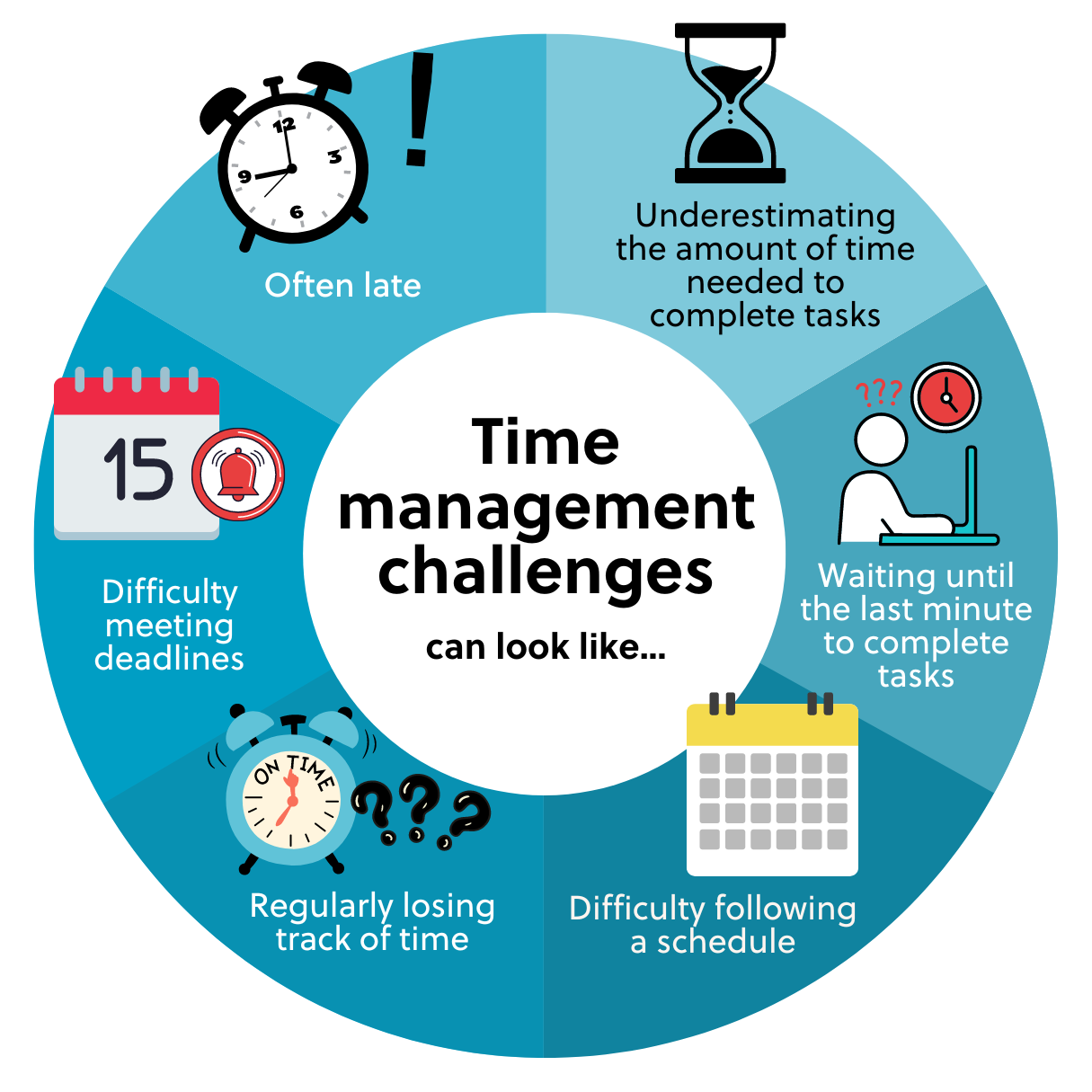
Step 2: Identify Time Wasters
Once you track your activities, identify common time-wasting habits.
Examples include:
-
Excessive social media scrolling
-
Unnecessary meetings
-
Procrastination
-
Multitasking without focus
Recognizing these patterns is the first step toward improving productivity.
Phase 2 — Set Clear Priorities
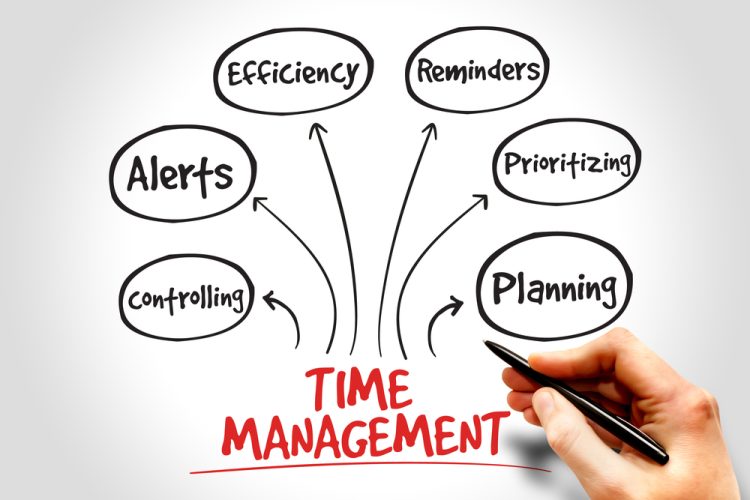
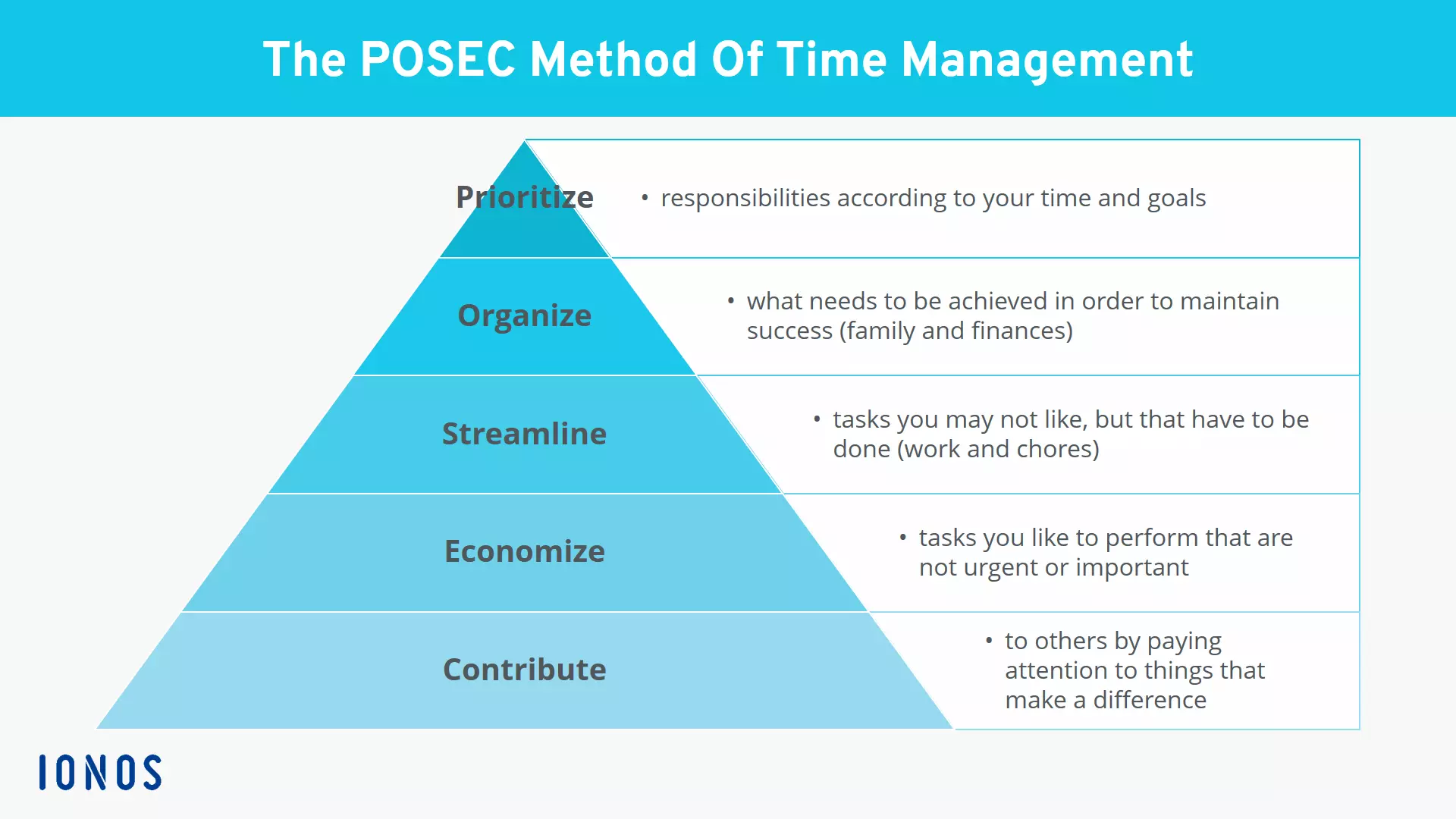
Time management becomes easier when you focus on what truly matters.
Step 3: Define Your Top Priorities
Ask yourself:
-
What tasks bring the most value to my life or career?
-
What goals are most important to me?
Focus on tasks that move you closer to your long-term goals.
Step 4: Use the Eisenhower Matrix
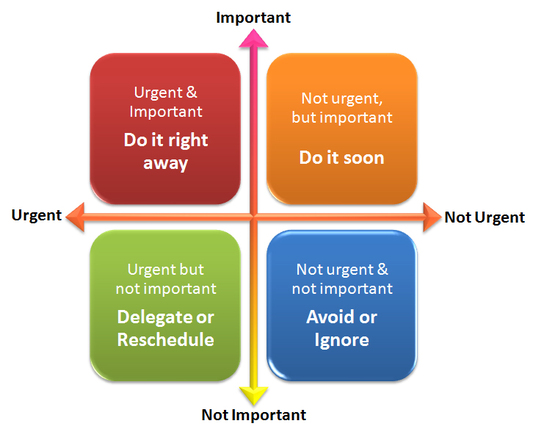
The Eisenhower Matrix helps prioritize tasks based on urgency and importance.
Tasks can be divided into four categories:
-
Important and urgent – Do immediately
-
Important but not urgent – Schedule for later
-
Urgent but not important – Delegate if possible
-
Neither urgent nor important – Eliminate
This simple system helps you focus on meaningful tasks.
Phase 3 — Plan Your Time Effectively
Planning helps reduce confusion and improve productivity.
Step 5: Create a Daily Plan
Start each day with a simple plan.
List your top 3–5 important tasks and focus on completing them first.
This approach keeps your day organized and productive.
Step 6: Use Time Blocking
Time blocking means scheduling specific time slots for specific tasks.
Example:
-
9:00–11:00 AM – Deep work
-
11:00–12:00 PM – Emails and communication
-
2:00–4:00 PM – Project tasks
Time blocking reduces distractions and improves focus.

Phase 4 — Improve Focus and Productivity
Good focus is essential for effective time management.
Step 7: Apply the Pomodoro Technique
The Pomodoro Technique improves focus through short work sessions.
How it works:
-
Work for 25 minutes
-
Take a 5-minute break
-
Repeat the cycle
Short focused sessions help maintain productivity.
Step 8: Avoid Multitasking
Multitasking often reduces efficiency and increases mistakes.
Instead, focus on one task at a time.
Single-tasking improves concentration and work quality.
Phase 5 — Build Sustainable Time Habits
Long-term time management requires consistent habits.
Step 9: Learn to Say No
Many people struggle with time management because they take on too many responsibilities.
Learning to say no helps you protect your time and focus on important tasks.
Step 10: Review and Improve Weekly
At the end of each week, review your progress.
Ask yourself:
-
Which tasks were completed successfully?
-
Where did I waste time?
-
What can I improve next week?
Regular reflection helps you continuously improve your time management.
Books That Can Help You Master Time Management
Reading productivity books can help you improve your time management skills.
Recommended books include:
-
“Getting Things Done” by David Allen
-
“Atomic Habits” by James Clear
-
“Deep Work” by Cal Newport
-
“Eat That Frog!” by Brian Tracy
These books provide powerful strategies for productivity and focus.
Common Time Management Mistakes
Avoid these common mistakes:
-
Trying to do everything at once
-
Not setting clear priorities
-
Overloading your schedule
-
Ignoring breaks and rest
-
Spending too much time on low-value tasks
Avoiding these habits can significantly improve productivity.
Quick Summary: Roadmap to Master Time Management
-
Track how you spend your time
-
Identify time-wasting activities
-
Define your priorities
-
Use the Eisenhower Matrix
-
Create a daily plan
-
Use time blocking
-
Apply the Pomodoro technique
-
Avoid multitasking
-
Learn to say no
-
Review your progress weekly
Final Thoughts
Time management is not about being busy — it is about being effective.
By prioritizing important tasks, improving focus, and building productive habits, you can achieve more in less time.
Start with small changes today, and gradually develop a system that works best for you.
Mastering time management will help you create a more productive, balanced, and successful life.
Comments
Post a Comment